
Gastroesophageal reflux disease medication plays an important role in managing the uncomfortable symptoms of GERD, such as heartburn, chest discomfort, and acid reflux. Many people struggle with this condition daily, which can affect sleep, eating habits, and overall quality of life. The right medication can help control stomach acid, protect the esophagus, and provide long-term relief. Understanding different treatment options can help patients and caregivers choose the most effective approach for managing GERD safely.
GERD Basics
Before we jump into solutions, let’s talk about what GERD actually is. Understanding the basics can make a world of difference in how you handle it.
What is GERD?
Imagine your stomach as a little pouch full of strong acids that help break down your food. At the top of your stomach is a tiny muscle, like a one-way door, called the lower esophageal sphincter (LES). Its job is to let food in and then shut tightly to keep those strong stomach acids from splashing back up into your esophagus (the tube that connects your throat to your stomach).
With Gastroesophageal Reflux Disease, or GERD, that little door doesn’t close properly. This allows acid to flow backward, or “reflux,” into your esophagus. Since your esophagus isn’t built to handle that acid, it gets irritated, causing that uncomfortable burning feeling known as heartburn.
Who is at Risk for GERD?
GERD can affect anyone, from kids to grandparents. However, certain factors can make you more likely to experience it. For instance, carrying extra weight can put pressure on your stomach, pushing acid upward. Habits like smoking can also weaken that little muscular door, making reflux more likely.
Some people are simply born with a weaker LES. Certain foods and drinks, like spicy dishes, fried foods, chocolate, and caffeine, can also trigger symptoms for many individuals. It’s a mix of genetics, lifestyle, and daily habits.
How GERD Impacts Your Daily Life
Living with GERD can be a real pain—literally. The constant heartburn can make it tough to enjoy your favorite meals or get a good night’s sleep. You might find yourself avoiding social events centered around food or feeling tired and grumpy from being woken up by that burning feeling.
Over time, this can take a toll on your overall well-being. But you don’t have to let GERD run your life. By understanding the condition and your options, you can take back control and find lasting relief.
Diagnosing and Understanding GERD
Figuring out if you have GERD is the first step toward feeling better. Your doctor has several ways to get a clear picture of what’s going on inside.
How is GERD Diagnosed?
Often, your doctor can diagnose GERD just by listening to your symptoms. If you describe frequent heartburn, they might suggest trying some over-the-counter medication to see if it helps.
If your symptoms are more severe or don’t improve, your doctor might recommend a test called an upper endoscopy. It sounds a bit scary, but it’s a simple procedure where a doctor uses a thin, flexible tube with a tiny camera to look inside your esophagus and stomach. This helps them see if there’s any damage from the acid. Another, less common method is a transnasal esophagoscopy, which uses an even thinner tube through the nose.
What Happens if GERD is Left Untreated?
Ignoring GERD isn’t a great idea. Think of it like a dripping faucet. At first, it’s just a small annoyance, but over time, it can cause real damage. The constant exposure to stomach acid can lead to serious inflammation in the esophagus, a condition called esophagitis.
In some cases, long-term GERD can lead to more serious complications like Barrett’s esophagus, where the cells lining your esophagus change. This is a risk factor for esophageal cancer. Catching and managing GERD early is the best way to prevent these long-term problems and protect your health.
Exploring GERD Medications
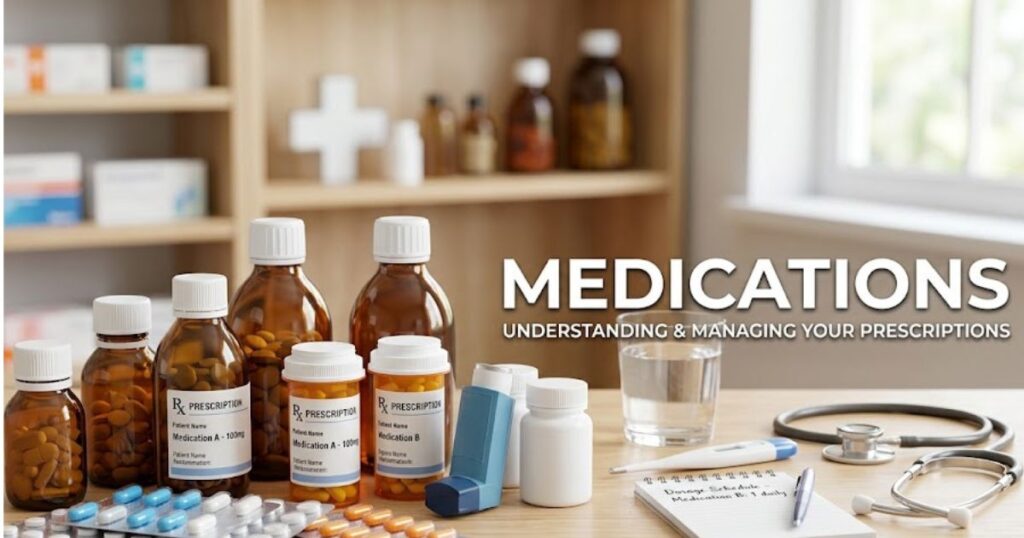
When it comes to treating GERD, there are many options. From quick-relief antacids to more powerful prescription drugs, finding the right GERD medications can feel like a puzzle. Let’s break down the most common choices.
A Breakdown of GERD Medications
Antacids: Quick Relief for Mild Symptoms
Antacids are the go-to for fast relief from occasional heartburn. They work by neutralizing the acid in your stomach. You can find them in chewable tablets or liquids. They act quickly but their effects don’t last very long, so you might need to take them frequently for ongoing symptoms.
Blockers: Reducing Acid Production
If antacids aren’t cutting it, H2 blockers are the next step up. These medications work by telling your stomach to produce less acid. They don’t work as instantly as antacids, but their effects last much longer—up to 12 hours. They are available both over-the-counter and by prescription.
Proton Pump Inhibitors: Healing the Esophagus
Proton Pump Inhibitors, or PPIs, are the most powerful acid-reducing drugs. They are one of the most effective GERD medications because they block the acid pumps in your stomach, drastically lowering acid levels. This gives your irritated esophagus time to heal. Some PPIs are available over-the-counter, while stronger versions require a prescription.
Mucosal Protectants: Protecting the Esophagus
Think of these as a bandage for your esophagus. Mucosal protectants create a protective barrier over the lining of your esophagus and stomach ulcers. This shield protects the irritated tissue from stomach acid, giving it a chance to heal without further irritation.
How to Choose the Right Medication for Your Symptoms
Choosing the right medication depends on how often and how severe your symptoms are.
- For occasional, mild heartburn: An antacid might be all you need.
- For frequent heartburn (more than twice a week): An H2 blocker or an over-the-counter PPI could provide longer-lasting relief.
- For severe or persistent GERD: Your doctor will likely prescribe a stronger PPI or other prescription medication to get your symptoms under control and allow your esophagus to heal.
Always talk to your doctor before starting any new medication to make sure it’s the right choice for you.
The Cost of GERD Medications: Brand vs. Generic Options
Medication can be expensive, but there are ways to save. Many popular GERD drugs are available as generic versions, which have the same active ingredients as their brand-name counterparts but usually cost much less. Ask your pharmacist about generic options to find more affordable GERD drugs.
Lifestyle and Dietary Adjustments
Medication is a huge help, but making simple changes to your daily habits can have a massive impact on managing GERD.
The Role of Diet in GERD Management
What you eat plays a starring role in your GERD story. Certain foods are known to trigger acid reflux.
Foods to Avoid
Common culprits include:
- Spicy foods
- Fried or fatty foods
- Citrus fruits like oranges and lemons
- Tomatoes and tomato-based products
- Chocolate
- Peppermint
- Carbonated drinks and caffeine
Try keeping a food diary for a week or two to see if you can spot a pattern between what you eat and when your symptoms flare up.
GERD-Friendly Recipes
You don’t have to eat bland food forever! Focus on lean proteins (like chicken and fish), whole grains, and non-citrus fruits and vegetables. A simple baked chicken with roasted broccoli and brown rice can be a delicious and reflux-friendly meal. Oatmeal for breakfast is another great choice, as it can help absorb stomach acid.
Lifestyle Habits That Worsen GERD
A few small tweaks to your routine can make a big difference:
- Eat smaller meals: Large meals expand your stomach and put more pressure on that little LES door.
- Don’t lie down after eating: Stay upright for at least 2-3 hours after a meal to let gravity help keep acid down.
- Stop smoking: Smoking weakens the LES, making reflux much more likely.
- Avoid tight clothing: Tight belts or waistbands can squeeze your stomach, pushing acid upward.
How to Sleep Better with GERD
Nighttime reflux can be especially frustrating. To get better sleep, try elevating the head of your bed by 6 to 8 inches. You can do this by placing blocks under the bedposts or using a wedge-shaped pillow. Lying on your left side is also thought to help reduce reflux.
Advanced and Alternative Treatments
For some people, medication and lifestyle changes aren’t enough. In these cases, there are more advanced options to consider.
Surgical Options for Severe GERD
Surgery is usually reserved for people with severe GERD who don’t respond to other treatments. The most common procedure is called fundoplication, where a surgeon wraps the top of the stomach around the LES to tighten it. This is often done with minimally invasive techniques, leading to a quicker recovery.
Pros and Cons of Surgery
The biggest pro is the potential for long-term relief without needing daily medication. However, like any surgery, it comes with risks. It’s a big decision, so have a detailed conversation with your doctor about whether it’s the right path for you.
Alternative Therapies: Do They Work?
Some people find relief with alternative therapies. While the scientific evidence is still limited, some studies suggest that acupuncture may help reduce GERD symptoms. Herbal remedies like chamomile, ginger, and licorice root are also used traditionally to soothe the stomach, but it’s crucial to talk to your doctor before trying them, as they can interact with other medications.
The Future of GERD Treatment: What’s Next?
Researchers are always looking for new and better ways to treat GERD. Newer classes of GERD medications, like potassium-competitive acid blockers (P-CABs), are becoming available and may offer even more effective acid control. Advances in surgical techniques are also making procedures safer and less invasive. The future looks bright for GERD management.
Addressing Common Concerns
It’s natural to have questions, especially when it comes to your health or the health of your family. Let’s tackle some common concerns about GERD.
Are GERD Medications Safe for Pregnant Women?
Heartburn is incredibly common during pregnancy. While many over-the-counter antacids are considered safe, it’s essential to talk with your doctor before taking any medication while pregnant. They can recommend the safest options for you and your baby.
Can Children Develop GERD?
Yes, kids can get GERD too. Symptoms might look different in children and can include frequent spitting up, fussiness during or after feeding, or even respiratory problems. If you suspect your child has GERD, see a pediatrician for a proper diagnosis and treatment plan tailored to their age and needs.
How to Manage GERD During Stressful Times
Stress doesn’t cause GERD, but it can certainly make symptoms feel worse. When you’re stressed, you may be more sensitive to the acid in your esophagus. Finding healthy ways to cope with stress, like gentle exercise, meditation, or spending time in nature, can help calm both your mind and your stomach.
Preventing GERD
The best way to deal with GERD is to prevent the symptoms from starting in the first place.
Tips for Preventing GERD Symptoms
Prevention boils down to the lifestyle changes we’ve discussed:
- Maintain a healthy weight.
- Avoid trigger foods.
- Eat smaller, more frequent meals.
- Wait a few hours after eating before you lie down.
- Elevate your head when you sleep.
The Role of Regular Check-Ups in GERD Management
Staying in touch with your doctor is important. Regular check-ups allow them to monitor your symptoms, adjust your treatment plan if needed, and make sure there are no underlying complications.
Conclusion
Managing GERD is a marathon, not a sprint. It’s about creating a balanced approach that combines the right lifestyle habits, dietary choices, and, when needed, medication. You have the power to make changes that will bring you significant relief and improve your quality of life.
FAQs
What’s the Difference Between GERD and Heartburn?
Think of it this way: heartburn is a symptom, while GERD is the disease. Heartburn is that burning feeling in your chest. GERD is the chronic condition where stomach acid regularly flows back into the esophagus, causing heartburn and other symptoms. So, if you have heartburn more than twice a week, you might have GERD.
How Long Does it Take for GERD Medications to Work?
It depends on the type. Antacids work almost instantly, but their effects are short-lived. H2 blockers usually start working within an hour. The most powerful GERD medications, PPIs, can take one to four days to reach their full effect because they need time to shut down the acid pumps in your stomach.
