
Fans of TC Carson have been worried after hearing rumors about his health. Many are curious about what exactly TC Carson disease might be and how it has affected him. While details are mostly private, understanding the situation helps fans show support and empathy. In this article, we explore what’s known, separate facts from speculation, and highlight how his journey reminds us to respect privacy while caring for those we admire.
Who Is TC Carson?
If you grew up watching awesome cartoons or fun 90s television shows, you probably know his voice. This talented star brought huge, unforgettable characters to life on the screen. He made us laugh, he made us cheer, and he always delivered a top-notch performance.
But behind the bright lights and the recording studio microphones, he was fighting a quiet battle. For a long time, he kept his medical struggles totally private. He went to work, smiled for the cameras, and pushed through the pain.
Eventually, word got out about his fight with some very tough, hard-to-understand sicknesses. His bravery in facing these daily hurdles has turned him into a real-life hero for thousands of fans dealing with their own hidden pain.
What Are Lyme Disease and AHC?
You might be wondering, what exactly is making him feel so sick? Let us break it down into simple terms.
First, there is Lyme disease. You get this from a tiny bug called a tick. When an infected tick bites you, it leaves behind bad bacteria. Most of the time, doctors give you medicine, and you get better. But sometimes, the sickness sticks around. This is called Post-treatment Lyme Disease Syndrome, or PTLDS. It means the bug is gone, but your body is still hurting and super tired.
Second, there are whispers about a rare neurological disorder known as Alternating Hemiplegia of Childhood, or AHC for short. This is a very complex condition. It causes sudden spells of temporary paralysis, meaning a person might suddenly not be able to move parts of their body.
Both of these are invisible illnesses. You cannot tell someone has them just by looking at their face, but they are fighting a huge battle on the inside.
How Do These Conditions Impact Quality of Life?
Living with persistent symptoms is like carrying a heavy backpack that you can never take off. It changes everything about how you live your life.
Imagine trying to remember your lines for a big TV show, but your brain feels foggy and confused. This is called cognitive impairment, and it is a huge challenge. Simple tasks, like going to the grocery store or hanging out with friends, can completely drain your battery.
Then there is the emotional toll. When your body hurts all the time and doctors cannot easily fix it, you might feel sad, lonely, or frustrated. Managing a chronic disease takes a massive amount of brain power and emotional strength.
What Are the Lesser-Known Symptoms of PTLDS and AHC?
We know about the extreme tiredness and the scary temporary paralysis. But there are other sneaky symptoms that often go unnoticed.
For PTLDS, people often get strange, shooting nerve pains. They might also hear a constant ringing in their ears or have trouble sleeping, even when they are totally exhausted.
For AHC, the symptoms can be incredibly unpredictable. People might experience strange movement disorders where their hands or eyes move on their own. They might have breathing difficulties or speech difficulties that make it hard to talk to their loved ones. Some even face developmental delays or behavioral problems. It is a wildly bumpy ride.
Read more: What Disease Does TC Carson Have? Uncover the Truth Behind the Actor’s Health
How Can You Support Someone with Chronic Illness?
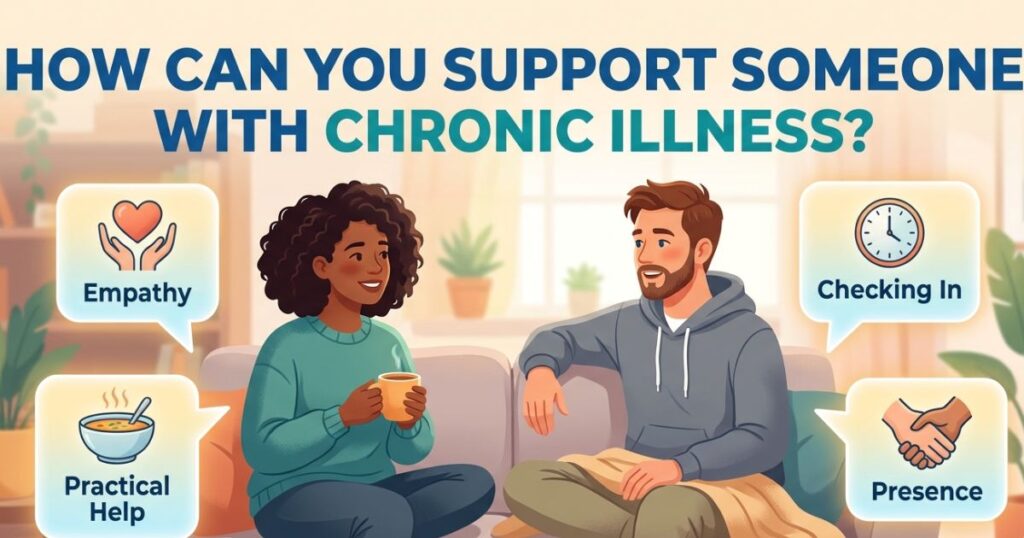
Do you know someone who is always feeling sick? You have the power to be an amazing friend to them. Here are 3 simple ways to help:
- Listen without fixing. Sometimes, they do not need advice. They just need you to say, “I am so sorry you are hurting, and I am here for you.”
- Offer practical help. Do not just say, “Let me know if you need anything.” Instead say, “I am bringing you dinner on Tuesday,” or “I am coming over to wash your dishes.”
- Be patient. If they cancel plans at the last minute because they are too tired, do not get mad. Remind them that you love them anyway.
The Role of Advocacy in Rare Diseases
When famous people talk about their health, it changes the world. Speaking up is called advocacy.
By sharing his story, this incredible actor is shining a giant spotlight on rare diseases. When people understand conditions like AHC and PTLDS, doctors do more research. Scientists work harder to find a cure.
More importantly, speaking out helps regular folks feel less alone. When a fan sees their favorite star battling the exact same weird symptoms, they suddenly feel seen and understood. That creates a beautiful community of support.
What Are the Latest Advances in Treating PTLDS and AHC?
Science is moving forward every single day. For a long time, doctors did not know how to help people with these tricky illnesses. Now, they are finding new ways to make life easier.
For PTLDS, experts are looking beyond basic antibiotics. They are testing special diets, immune system boosters, and physical therapy to help heal the nervous system.
For AHC, researchers are studying the specific genes that cause the illness. They are creating new symptom management plans to stop seizures and prevent those terrifying spells of paralysis before they start. While there is no magic cure yet, there is a lot of hope on the horizon.
How to Recognize and Prevent Lyme Disease
The best way to fight Lyme disease is to never get it in the first place! Since ticks live in tall grass and woods, you need to be smart when you play outside.
Always wear bug spray when you go hiking. Wear long pants and tuck them into your socks. It might look a little silly, but it keeps the bugs away!
When you get home, check your whole body for tiny black dots. If you ever see a red rash that looks like a target or a bullseye, tell a doctor right away. Catching it early is the secret to getting completely better.
Lessons from TC Carson’s Health Journey
When we look at this star’s brave fight, we learn so much about human strength. He teaches us that it is okay to ask for help when we are struggling.
He shows us that a person’s worth is not tied to how much work they can do on a given day. Even when sickness slows him down, his spirit remains totally unbroken.
Most importantly, TC Carson reminds us to be kind to everyone we meet. You never know what kind of invisible pain the person next to you might be carrying inside their own body.
Conclusion
TC Carson’s health journey reminds us that public figures face personal battles just like anyone else. While speculation about his disease circulates online, respecting his privacy and focusing on verified information is crucial. Fans can support him by sending positive thoughts and understanding the challenges of living with a serious illness. Staying informed with accurate updates ensures rumors don’t spread unnecessarily. Ultimately, TC Carson’s story highlights resilience and the importance of compassion in discussing celebrity health matters.
FAQs
Can PTLDS ever go away?
Yes, for some people, the symptoms slowly get better over time. For others, it takes a lot of management and care to keep the pain away.
Are rare neurological disorders like AHC contagious?
Not at all! You cannot catch AHC from another person. It is tied to a person’s genetics, meaning they are born with the instructions for it inside their body.
How can I learn more about Lyme disease?
You can check out official health websites or talk to your local doctor. There are also tons of great awareness campaigns that share cool, easy-to-read facts!
