
Pregnancy brings many questions about what foods are safe and healthy. One common question many expecting mothers ask is: can pregnant women eat olives? Olives are popular for their rich taste and nutritional benefits, but during pregnancy, it’s important to know how they affect both mother and baby. In this guide, we’ll explore whether olives are safe during pregnancy, their health benefits, and the right way to include them in your diet for a healthy pregnancy.
Can Pregnant Women Eat Olives? A Comprehensive Guide
So, you’re expecting! It’s a thrilling journey, but it also comes with a long list of questions, especially about food. You find yourself standing in the grocery store aisle, staring at a jar of olives and wondering, “Can I even eat these right now?” It’s a common thought, and you’re right to be cautious. Understanding food safety during pregnancy is one of the most important things you can do for yourself and your growing baby.
Let’s clear up the confusion right away. The simple answer is yes, you can absolutely enjoy olives during pregnancy! But, like many things on this nine-month adventure, there are a few important details to know to ensure you’re snacking safely. This guide will walk you through everything you need to know, from the amazing health benefits to the potential risks, so you can make informed choices with confidence.
The Amazing Nutritional Benefits of Olives
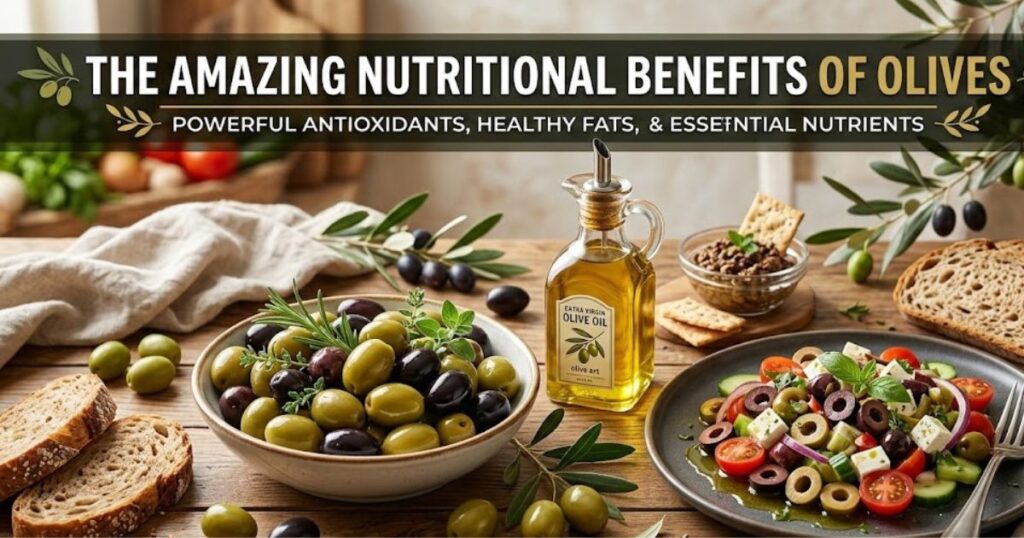
Olives are more than just a tasty snack or a garnish for your favorite dish. These little fruits are packed with nutrients that are fantastic for both you and your baby. Think of them as tiny power-ups for your pregnancy journey.
Key Nutrients for You and Baby
Olives are a treasure chest of vitamins that are essential during pregnancy. They contain Vitamin A, which helps your baby’s eyes develop and strengthens your immune system. They also provide Vitamin K, which is crucial for blood clotting—a helpful benefit for both you and your little one.
One of the standout nutrients in olives is Vitamin E. This powerful vitamin acts like a bodyguard for your cells, protecting them from damage. It also plays a role in developing and repairing tissues, which is happening at a rapid pace for your baby. On top of that, olives contain folate (a B-vitamin), which is a superstar nutrient for preventing certain birth defects.
How Olives Support a Healthy Pregnancy
Beyond vitamins, olives deliver so much more. They are a great source of healthy fats, specifically monounsaturated fats. These fats are your friends! They help keep your hormones in balance, which is incredibly important when your body is going through so many changes. These healthy fats also contribute to your baby’s brain and eye development.
Eating olives can also help you feel full and satisfied, making them a smart choice for a snack. They provide a steady source of energy, helping you avoid those sugar crashes that can leave you feeling drained.
Antioxidants: Your Body’s Tiny Protectors
You might have heard the word “antioxidants” before, but what do they really do? Think of them as your body’s personal cleanup crew. They fight off harmful particles that can cause stress and damage to your cells. This is called oxidative stress, and it’s something you want to minimize, especially during pregnancy.
Olives are rich in these protective antioxidants. They help reduce inflammation in your body and protect both your and your baby’s cells from harm. By including olives in your diet, you’re giving your body an extra layer of defense during this critical time.
Staying Safe: What to Know Before You Snack
While olives are generally safe, there are a few things to keep in mind to ensure you’re enjoying them in the healthiest way possible. This is where the question of can pregnant women eat olives gets a little more detailed.
Are All Olives Created Equal?
Not exactly. The main concern with certain foods during pregnancy is the risk of harmful bacteria like Listeria and Toxoplasma. These can be found in unpasteurized or improperly handled foods.
Fresh olives from a deli bar or an open olive container might seem appealing, but they carry a higher risk. You don’t know how long they’ve been sitting out or how they were handled. To be safe, it’s best to stick to olives that come in a sealed jar or can. These have been processed in a way that eliminates harmful bacteria.
Watching Your Sodium Intake
One thing to be mindful of is the sodium content in olives. They are often cured in a salty brine, which means they can be high in salt. While some sodium is essential for your body to function, too much can lead to increased fluid retention and potentially raise your blood pressure.
If you’re watching your salt intake, you don’t have to give up olives entirely. Just enjoy them in moderation. A small handful is a perfect serving size. You can also rinse canned olives under water to wash away some of the excess salt.
How to Store Olives Safely
Once you open a jar or can of olives, proper storage is key to keeping them safe. Always transfer any leftover olives to an airtight container and pop them in the refrigerator. Try to finish them within a week. This simple step prevents bacteria from growing and ensures your olives stay fresh and delicious.
Which Type of Olive is Best?
Walking down the olive aisle can be overwhelming. There are so many choices! Let’s break down the most common types and what you need to know about each one during pregnancy.
Green vs. Black Olives: What’s the Difference?
The main difference between green and black olives is ripeness. Green olives are picked before they are fully ripe, while black olives are picked when they are mature. This affects their flavor and texture, but nutritionally, they are quite similar.
Both green and black olives are safe to eat during pregnancy, as long as they are from a sealed can or jar. The choice between them really comes down to your personal preference. Do you prefer the sharp, tangy taste of a green olive or the milder, richer flavor of a black one?
Are Kalamata Olives Safe?
Kalamata olives, with their distinct almond shape and deep purple color, are a favorite for many. Good news! These Greek olives are perfectly safe to enjoy during pregnancy. Just like with other varieties, opt for those that come sealed in a jar to minimize any risks. They are a wonderful source of healthy fats and add a burst of flavor to salads and other dishes.
A Note on Stuffed and Marinated Olives
What about those fancy olives stuffed with garlic, pimento, or other goodies? Generally, if they are from a commercially sealed jar, they are safe. The stuffing has gone through the same pasteurization process as the olives themselves.
The only exception to watch out for is olives stuffed with unpasteurized cheese, like some feta or blue cheese. Unpasteurized soft cheeses carry a risk of Listeria, so it’s best to avoid them. When in doubt, always check the label. If it doesn’t say “pasteurized,” it’s safer to choose a different option. This is a key point when considering if can pregnant women eat olives.
Olives and Those Infamous Pregnancy Cravings
Pregnancy cravings are real, and they can be powerful! Many women find themselves yearning for salty, savory foods, and olives often top the list.
Why Do I Suddenly Want Olives?
No one knows for sure why pregnancy cravings happen, but hormonal changes are likely a big part of it. Your body is working overtime, and your sense of taste and smell can change dramatically. An increased need for sodium could also be a factor, as your blood volume expands to support your baby.
So, if you find yourself dreaming of a bowl of salty olives, it’s a normal part of the pregnancy experience. It’s your body’s unique way of navigating this new chapter. Listening to these cravings (in moderation, of course) can be one of the simple joys of pregnancy.
Can Olives Help with Morning Sickness?
For some women, morning sickness isn’t just in the morning—it can last all day. Finding foods that you can keep down can be a challenge. Surprisingly, olives might help.
The salty flavor can be settling for a nauseous stomach. Plus, since they are a source of fat and electrolytes, they can help replenish some of what you might lose if you’re getting sick often. Having a few olives as a small, simple snack might just be the thing that helps you feel a bit more human on those tough days.
How to Add Olives to Your Pregnancy Diet
Ready to start enjoying olives safely? Here are some practical tips and easy ideas to incorporate them into your meals.
Choosing the Safest Olives
When you’re at the store, head for the aisle with canned and jarred goods. Look for olives that are in a sealed container. Organic options are great if you want to avoid pesticides, but any commercially sealed jar or can is a safe choice. Remember to skip the deli counter and open olive bars for now. Making this choice helps ensure the answer to “can pregnant women eat olives?” remains a confident “yes.”
Easy, Pregnancy-Safe Olive Recipes
Olives are incredibly versatile. Here are a few simple ways to enjoy them:
- Snack Attack: A small bowl of olives on its own is a perfect, no-fuss snack.
- Super Salads: Toss a handful of sliced black or Kalamata olives into a fresh green salad for extra flavor and healthy fats.
- Perfect Pasta: Add chopped olives to your favorite pasta sauce for a Mediterranean twist.
- Pizza Topping: Sprinkle some sliced olives on your homemade pizza before baking.
- Tasty Tapenade: Blend olives with a little garlic, lemon juice, and olive oil to make a delicious spread for whole-grain crackers.
Pairing Olives for a Nutrient Boost
To create a balanced and satisfying snack, pair olives with other nutrient-rich foods. Try them with some whole-grain crackers and a slice of pasteurized cheese. Or, mix them with cherry tomatoes and cubes of cucumber for a refreshing mini-salad. These combinations not only taste great but also provide a mix of healthy fats, fiber, and vitamins.
Conclusion
Pregnant women can safely eat olives when they are consumed in moderate amounts and chosen wisely. Olives provide healthy nutrients, good fats, and antioxidants that support overall pregnancy health. However, excess salt intake should be avoided to prevent health risks. Always maintain a balanced diet and consult your doctor for personalized pregnancy nutrition advice. Eating smartly during pregnancy helps ensure both mother and baby stay healthy and strong.
FAQs
Can pregnant women eat olives daily?
Yes, pregnant women can eat olives, but in moderation. Eating a small portion occasionally is safe because olives contain healthy fats and vitamins. Avoid eating too many due to their high sodium content, which may cause water retention or blood pressure issues during pregnancy.
Are olives safe in early pregnancy?
Yes, olives are generally safe in early pregnancy if they are properly washed and stored. Fresh or low-sodium olives are better choices. Always consult your doctor if you have pregnancy complications or special dietary restrictions.
Do olives help baby development during pregnancy?
Yes, olives contain healthy fats and antioxidants that may support fetal development. They also provide vitamin E and iron, which are helpful for mother and baby health when consumed as part of a balanced diet.
What type of olives are best for pregnant women?
Fresh, organic, or low-salt olives are best during pregnancy. Avoid heavily processed or pickled olives with too much salt, preservatives, or artificial flavors, as these may not be ideal for pregnancy nutrition.
