
Fifth disease is a common viral infection that mostly affects children, but it can also occur in adults. It is caused by parvovirus B19 and is known for its distinctive rash. While it is usually mild, understanding its symptoms and causes helps in early identification and proper care.
What Are the Symptoms of Fifth Disease?
Fifth disease is a common viral infection caused by parvovirus B19, mostly affecting children but sometimes adults as well. It is usually mild and often begins with flu-like symptoms before a distinctive rash appears. The illness is contagious in its early stage but becomes less likely to spread once the rash shows up. Recognizing the symptoms early helps in managing comfort and preventing spread to others, especially pregnant women or people with weakened immunity.
Common Symptoms of Fifth Disease
The first symptoms often include mild fever, headache, runny nose, sore throat, and general tiredness, which can easily be mistaken for a common cold. After a few days, a bright red rash typically appears on the cheeks, often described as a “slapped cheek” appearance. This rash may later spread to the arms, legs, and body, sometimes forming a lacy pattern. In some cases, older children and adults may also experience joint pain or swelling, especially in the hands, wrists, or knees.
What Is Fifth Disease?
Fifth disease is a mild viral illness that mostly affects kids ages 5 to 15. Doctors call it erythema infectiosum, but most parents simply know it as “slapped cheek syndrome.”
It is caused by a highly contagious germ called parvovirus B19. This virus spreads easily through the air when an infected person coughs or sneezes. It thrives in schools and daycares, making it a very common childhood rite of passage.
You might be wondering why it has such a strange name. Historically, doctors had a list of common childhood skin rashes. Measles was first, scarlet fever was second, rubella was third, and Dukes’ disease was fourth. This slapped cheek rash was simply the fifth viral rash on that historical list!
Early Symptoms of Fifth Disease
Long before the famous rash appears, the virus sneaks in, looking exactly like a common cold. This is the trickiest part of the illness. During this early stage, your child is highly contagious, but you likely have no idea they are dealing with anything special.
If you are watching out for fifth disease symptoms, look for these early warning signs:
- A low-grade fever that hovers around 99° to 101° F.
- A stuffy or runny nose that mimics typical seasonal allergies.
- A mild headache or general crankiness.
- An upset stomach or feeling slightly nauseous.
- General fatigue, where your child just wants to sleep or lie on the couch.
These early flu-like symptoms usually last for a few days. Then, suddenly, your child starts to feel totally fine. The fever breaks, the energy returns, and you think you are in the clear. But a few days later, the virus’s true hallmark appears.
The Rash What Does It Look Like?
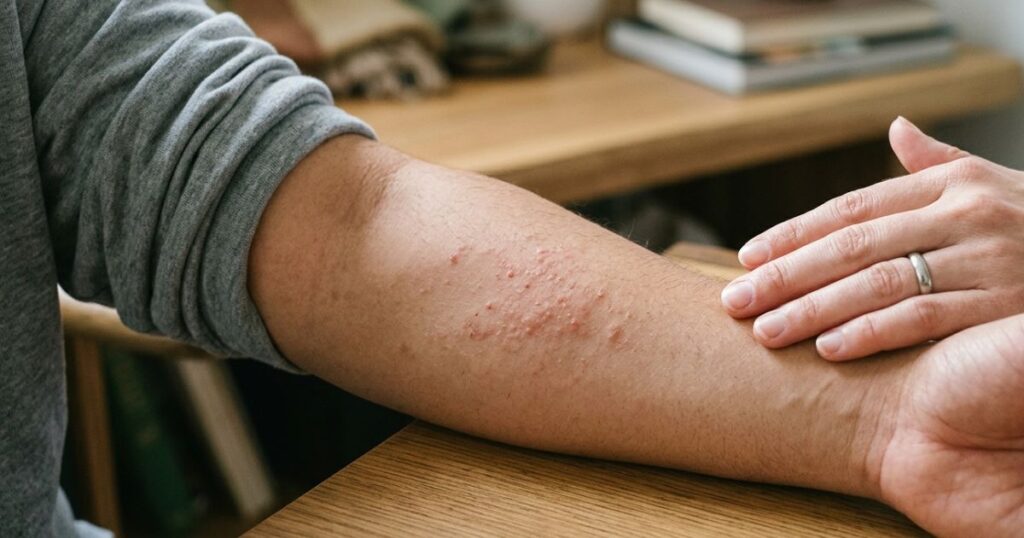
The rash is the big giveaway. It is entirely unique and makes diagnosing the illness incredibly easy for most parents and doctors.
How to Identify the “Slapped Cheek” Rash
The rash happens in distinct stages. First, you will notice bright red patches on both of your child’s cheeks. It literally looks like someone gently slapped their face.
After a few days, a second rash usually develops. This one looks a bit different:
- It spreads to the chest, back, arms, and legs.
- It has a pink, lacy, or net-like appearance.
- It can fade and then magically reappear if your child gets hot, takes a warm bath, or spends time in the sun.
Does the Rash Itch or Hurt?
For the most part, the slapped cheek rash looks far worse than it feels. It usually doesn’t hurt at all. However, as it spreads to the arms and legs, it can become slightly itchy.
If your child is scratching, a simple over-the-counter anti-itch cream or a soothing oatmeal bath can work wonders to keep them comfortable.
Symptoms in Adults vs Children
While we think of this as a kid’s illness, adults can absolutely catch it too! However, the virus behaves very differently depending on your age.
Here is a quick breakdown of how fifth disease symptoms change based on who gets sick:
- In children, they almost always get the bright red cheek rash. They bounce back quickly, and joint pain is incredibly rare.
- In Adults: Adults rarely develop the slapped-cheek rash. Instead, they get hit with severe joint pain and swelling.
If you are an adult who catches this virus, your hands, wrists, knees, and ankles might throb and ache. This pain can last for a few weeks, and it is much more common in women than in men. The good news? Once you have it, you are immune for life.
Complications of Fifth Disease
For a healthy child or adult, this virus is just a minor annoyance. But for a small group of people, it can cause some serious trouble.
Who Is at Risk for Severe Symptoms?
The parvovirus B19 temporarily messes with how your body makes red blood cells. If you are perfectly healthy, you won’t even notice. But it can be dangerous for:
- Pregnant women: The virus can pass to the unborn baby, potentially causing severe anemia.
- People with weakened immune systems: Those fighting cancer or living with HIV may struggle to clear the infection.
- People with blood disorders: Anyone with sickle cell anemia can experience a dangerous drop in red blood cells.
Can Fifth Disease Cause Long-Term Issues?
In very rare cases, joint pain in adults can persist for months. However, it does not cause permanent joint damage. For almost everyone else, the virus leaves no long-term footprint once it finally clears your system.
How Is Fifth Disease Diagnosed?
Most of the time, you don’t even need a fancy medical test. When you take your child to the pediatrician, the doctor will take one look at those bright red cheeks and instantly know what is going on.
Doctors diagnose the fifth disease based solely on the characteristic rash. If a pregnant woman or someone with a blood disorder is exposed, a doctor might order a simple blood test to check for antibodies. This test will tell you if you are currently infected or if you already had it as a child and are safely immune.
Prevention Tips for Fifth Disease
Because there is no vaccine for this virus, your best defense is good old-fashioned hygiene. Remember, by the time the rash appears, your child is actually no longer contagious! They spread the germs during those early, sniffly days.
To keep the illness from sweeping through your entire family, follow these simple steps:
- Wash your hands obsessively with soap and warm water for at least 20 seconds.
- Cover your coughs and sneezes with the inside of your elbow, never your bare hands.
- Don’t share drinks or silverware with anyone who seems even mildly under the weather.
- Keep sick kids home while they have a fever or a runny nose.
Once the fever is gone and just the rash remains, your child is totally safe to head back to school or daycare!
Expert Insight A Pediatrician’s Perspective
Dr. Sarah Jenkins, a seasoned pediatrician who has seen hundreds of these cases, always tells panicked parents the exact same thing: “Treat the child, not the rash.”
“Parents rush into my office terrified because the rash looks so aggressive,” she explains. “But I always point out that the child is usually sitting there happily playing with a toy. If they are drinking fluids, breathing comfortably, and acting like themselves, you just have to wait it out. The rash is actually a sign that their immune system has already won the battle.”
Her best advice? Keep them hydrated, use children’s acetaminophen for any lingering aches, and slather on some soothing lotion if the spots get itchy.
Conclusion
Fifth disease is generally mild and self-limiting, especially in children. Recognizing its early symptoms can help manage it effectively and prevent spreading it to others. If symptoms become severe or occur in pregnant women or individuals with weakened immunity, medical advice should be sought.
FAQs
Is the fifth disease contagious after the rash appears?
No, it is not. By the time the bright red rash shows up on your child’s cheeks, they are no longer contagious and can safely return to school.
How long does the rash last?
The initial cheek rash usually fades within a week. However, the lacy body rash can come and go for up to three weeks, especially if the skin gets warm.
Can adults get fifth disease?
Yes, adults can catch the virus if they didn’t have it as a child. Instead of a rash, adults typically experience painful, swollen joints that can last for several weeks.
What should I do if I’m pregnant and exposed to fifth disease?
Call your obstetrician right away to let them know. They can perform a simple blood test to see if you are immune or if they need to monitor your baby more closely.
How can I tell if my child has fifth disease symptoms or another rash?
The slapped cheek appearance is highly specific to this virus. Unlike an allergic reaction, it usually starts on the face and is followed by a few days of a mild, cold-like fever.
