
Hanahaki Disease ek aisi rare condition hai jahan kisi ki chhupi hui mohabbat ya unrequited love unke jism par asar dal sakti hai. Is mein log aksar emotional pain aur stress ka samna karte hain, aur kuch fictional stories mein woh flowers tak cough karte hain. Yeh sirf ek kahani nahi, balki hume dikhata hai ke emotions ka humari sehat par kitna gehra asar ho sakta hai. Samajhna aur apne jazbaat ko express karna bohot zaroori hai.
The Story Behind the Flower Sickness
Where did this amazing idea come from? It did not start in a science lab or a real hospital. It started in the creative minds of fans on the internet.
Many years ago, talented artists and writers began sharing stories online. They loved taking their favorite characters from books and shows and putting them into brand new situations. This is called fan fiction. Soon, a unique idea bloomed across these creative spaces. People started writing about a strange flower sickness.
It spread like wildfire. Writers loved how dramatic it was. Artists loved drawing it because the mix of colorful flowers and sad characters looked stunning. Before long, it became a massive global phenomenon. Anyone who enjoyed a good, emotional story knew about the flower sickness.
The Anatomy of the Ailment
So, what exactly happens when a character gets Hanahaki disease? The rules of this fictional illness are quite simple, but they pack a huge emotional punch.
First, the character falls completely in love with someone. Then, they realize the other person does not share those same warm feelings. Suddenly, a tiny seed takes root right inside their lungs.
As the days pass, the unreturned love grows stronger, and so does the plant. The character starts to cough. At first, it is just a single, soft petal floating to the ground. But as time goes on, the sickness gets worse. They start coughing up whole flowers, complete with sharp thorns and twisting roots. It is a terrible struggle to breathe, and it shows the world exactly how much their heart hurts.
3 Reasons We Love These Stories
Why do readers love reading about something so sad? It turns out, we actually adore a good emotional rollercoaster! Here are 3 big reasons this idea hooks us:
- It makes feelings real: Usually, a broken heart is hidden inside. This illness pulls those sad feelings out into the open for everyone to see.
- We connect with the pain: Almost everyone has felt left out or unloved at some point. When we read these stories, we feel understood. We can point to the character and say, “I know exactly how that feels!”
- It adds high stakes to romance: Will the crush finally notice them? Will they realize their true feelings before it is too late? The ticking clock makes the story incredibly exciting to read.
The Beautiful Metaphor of Flowers
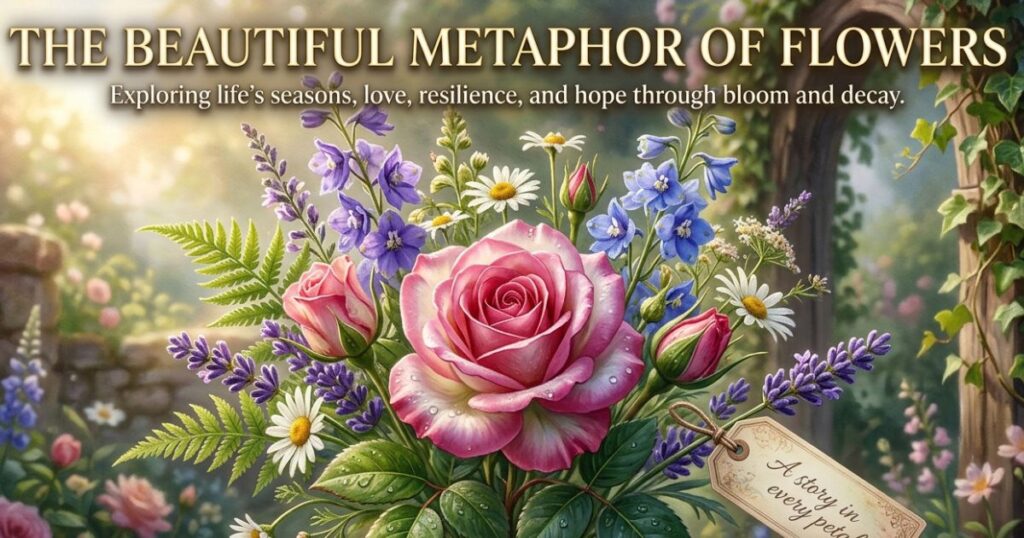
Flowers are usually a happy thing, right? You give them to your mom on her birthday or plant them in a sunny garden. But in these stories, flowers mean something totally different.
They act as a powerful symbol. A symbol is when an object stands for a big idea. The flowers represent the love the character feels. Love is beautiful, soft, and sweet, just like a blooming rose.
However, loving someone who does not love you back can hurt. That is where the roots and thorns come in. They scratch and twist, representing the sharp sting of rejection. It is a perfect mash-up of gorgeous beauty and deep suffering. It shows us that love is a powerful force that can bring both intense joy and great pain.
Unique Perspectives on Being Vulnerable
To love someone is to be incredibly brave. You are opening up your heart and risking getting hurt. This fictional illness shines a bright spotlight on emotional vulnerability.
When a character coughs up a flower, they can no longer hide their secret crush. Their deepest, most private feelings are spilling out into the world. It forces them to face their fears.
This teaches us a really cool lesson. It shows that hiding our feelings is exhausting. Sometimes, the bravest thing you can do is admit how much you care, even if it feels terrifying. It reminds us that our feelings are valid and powerful, even when they make us feel weak.
The Illness in Popular Culture
Today, Hanahaki disease is everywhere in online art and literature. If you scroll through websites where people post their drawings, you will see endless pictures of characters with flowers spilling from their lips.
Musicians write songs inspired by the idea of choking on flowers. Teenagers make short videos acting out the drama of a blooming heart. It has influenced how modern storytellers write about love.
Writers are finding new, clever ways to use this trope. Some write about characters who cough up different types of flowers depending on who they love. A yellow sunflower might mean a happy, sunny crush, while a dark red rose might mean a serious, passionate love. The creativity is endless!
Beyond Fiction: Real-Life Lessons
Even though the flower sickness is completely make-believe, the science of a broken heart is surprisingly real. Can love actually hurt your body?
Yes, it can! When you feel extremely sad or rejected, your brain sends out stress signals. These signals can make your chest feel tight. They can give you a tummy ache or make you feel super tired.
Your brain actually processes emotional pain in the exact same place it processes physical pain. So, when someone says their heart is breaking, their body truly feels like it is under attack. The fictional flower sickness is just a highly exaggerated, magical version of what our bodies actually go through when we are sad.
Is There a Cure?
With all this talk of roots and coughing, you might be wondering: Is there a cure for Hanahaki disease? Do these stories ever have a happy ending?
In most fan fiction stories, there are 3 main ways to cure the illness:
- The love is returned: The absolute best cure! If the crush finally realizes they are in love with the sick character, the flowers instantly turn to dust and disappear. The character can breathe freely again.
- The surgery: If the crush does not love them back, the character can choose to have a magical surgery to remove the flowers. But there is a huge catch! The surgery also removes all their memories of the person they loved. They lose their feelings completely.
- Holding on: Sometimes, characters choose to keep the flowers. They decide that feeling the love, even if it hurts, is better than feeling nothing at all.
These endings ask the reader a really tough question. Would you rather forget someone you loved to stop the pain, or keep the memories and accept the hurt?
The Power of Fiction to Heal
At the end of the day, stories about coughing up flowers are not just about sadness. They are about the incredible, overwhelming human experience of falling in love.
Fictional illnesses like this one matter because they give us a safe space to explore our biggest emotions. When we read about a character overcoming their flowery heartbreak, it gives us hope. It reminds us that even when our own hearts feel heavy, the pain will not last forever.
Stories have a magical way of helping us process real life. The next time you see a beautiful flower, you might just look at it a little differently. You might remember the brave characters who loved so much that they bloomed from the inside out.
Conclusion
Hanahaki Disease is a striking reminder of the powerful link between emotions and the human body. While rare and often portrayed in fictional stories, it highlights the psychological consequences of unexpressed feelings. Awareness and emotional expression are key to preventing extreme mental and physical stress. Therapy, open communication, and emotional support can help manage the symptoms. By understanding Hanahaki Disease, we learn that love is not just an emotion—it’s a force that can shape our very health and wellbeing.
FAQs
What exactly is Hanahaki Disease?
Hanahaki Disease is a psychosomatic condition where unrequited love causes physical symptoms, most famously the coughing up of flowers. It’s considered more of a fictional or psychological phenomenon than a medically documented disease. The condition symbolizes how suppressed emotions can manifest physically, emphasizing the strong connection between mental and physical health. People with intense, unexpressed feelings may experience stress, chest pain, or even coughing fits as a way their body reacts to emotional trauma.
Can Hanahaki Disease be cured?
In fictional portrayals, the “cure” often involves expressing one’s true feelings or receiving reciprocated love. In reality, managing the condition would involve addressing the underlying emotional issues—therapy, counseling, and open communication are essential. Expressing emotions healthily, practicing mindfulness, and seeking support from loved ones can help alleviate the psychological burden that could otherwise manifest as physical stress.
Is Hanahaki Disease real or just a myth?
Hanahaki Disease is largely considered a fictional or symbolic condition, popularized by Japanese manga and anime. While the extreme symptom of coughing up flowers doesn’t exist in real medical literature, the idea highlights a real phenomenon: emotional distress can cause physical symptoms such as chest pain, anxiety, or psychosomatic illness. It’s a metaphor for how unrequited love can affect mental and physical well-being.
What are the common signs and symptoms?
Commonly described symptoms include persistent coughing, chest pain, shortness of breath, and in fictional stories, coughing up flowers. Emotionally, sufferers may feel intense anxiety, sadness, or obsession over someone who does not reciprocate their feelings. The condition serves as a reminder that suppressing emotions can lead to physical manifestations of stress and emotional turmoil, making emotional expression vital for mental health.
How can one prevent Hanahaki Disease?
Preventing Hanahaki Disease, in the metaphorical sense, means acknowledging and expressing emotions openly. Building strong communication skills, seeking therapy when struggling with unrequited feelings, and finding healthy outlets for emotions can reduce the psychological strain. Practicing self-care, mindfulness, and supportive social connections are also key steps to maintain both emotional and physical health, avoiding the metaphorical “flowers in the lungs.”
