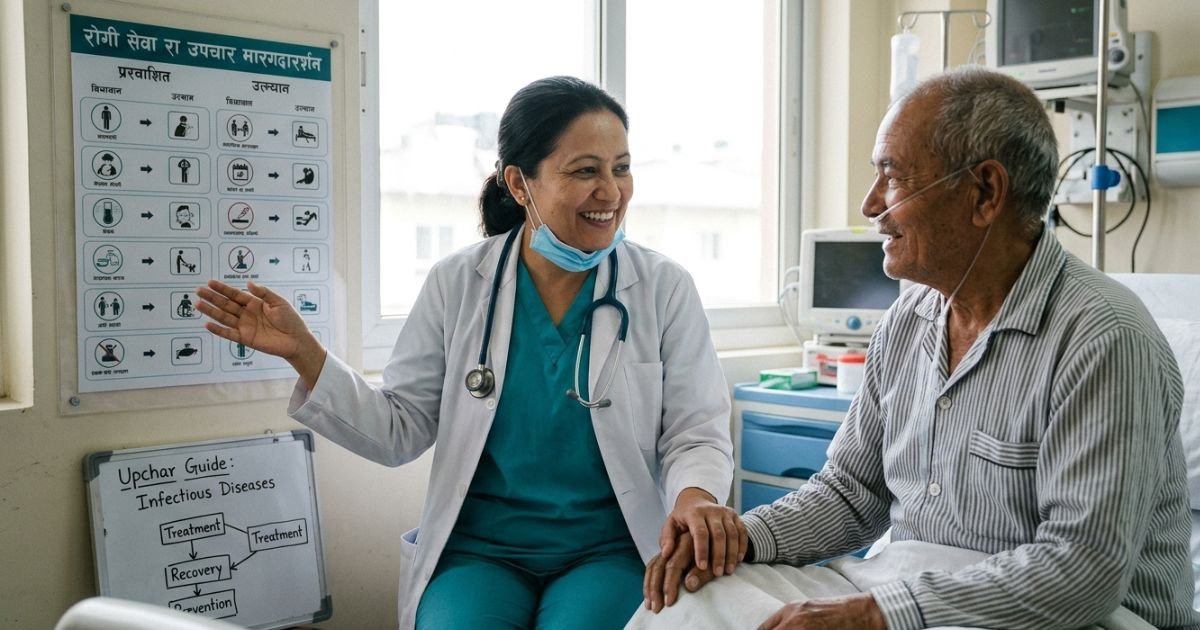
An infectious disease doctor is a medical specialist who diagnoses, treats, and prevents illnesses caused by bacteria, viruses, fungi, and parasites. They handle complex infections such as tuberculosis, HIV, malaria, and emerging viral diseases. These doctors also work on outbreak control, vaccination strategies, and infection prevention in hospitals and communities.
Understanding the Role of an Infection Expert
When a germ attacks your body, it acts like a home invader. It sneaks in, multiplies, and causes chaos.
Most of the time, a basic antibiotic from your family clinic clears the invader. But sometimes, the germs fight back. They hide. They mutate. They resist normal medicine.
That is where a specialised infectious disease doctor takes the lead. These professionals spend years studying how microscopic threats work. They know how to identify the exact germ causing your pain.
They do not just give out pills and hope for the best. They carefully map out a battle plan. They look at your past travels, your pet history, and your daily habits.
These specialists also work with a huge team. They help surgeons prevent infections after major surgery. They work with cancer doctors to protect patients with no immune defence. They are the ultimate backup squad for your health.
Now that we know what infection experts do, when should you actually see one?
You usually do not book an appointment with these experts on your own. Your primary care provider or a hospital team will refer you.
But how do they decide you need extra help? Here are the most common warning signs.
Persistent or Unexplained Infections
Sometimes, a fever lingers for weeks. Your blood work looks weird, but no one knows why.
This is called a “fever of unknown origin.” It is a classic mystery that requires top-tier medical sleuthing.
Post-Surgical Infections
Surgery fixes broken parts of your body. But cutting the skin opens a door for bacteria.
If an infection happens deep inside a new hip joint or a heart valve, it becomes highly dangerous. You need expert care immediately.
Travel-Related Illnesses
Did you recently return from a tropical vacation with a strange rash? Did you get a mosquito bite that made you dizzy and weak?
Bugs from other countries can carry diseases your local clinic has never seen. You need an expert who understands global health threats.
Antibiotic-Resistant Infections
Some bacteria are incredibly stubborn. We call them “superbugs.”
If standard antibiotics fail to cure your illness, you need a stronger, smarter approach. These specialists know which rare medicines will finally kill the superbug.
How They Diagnose and Treat Patients
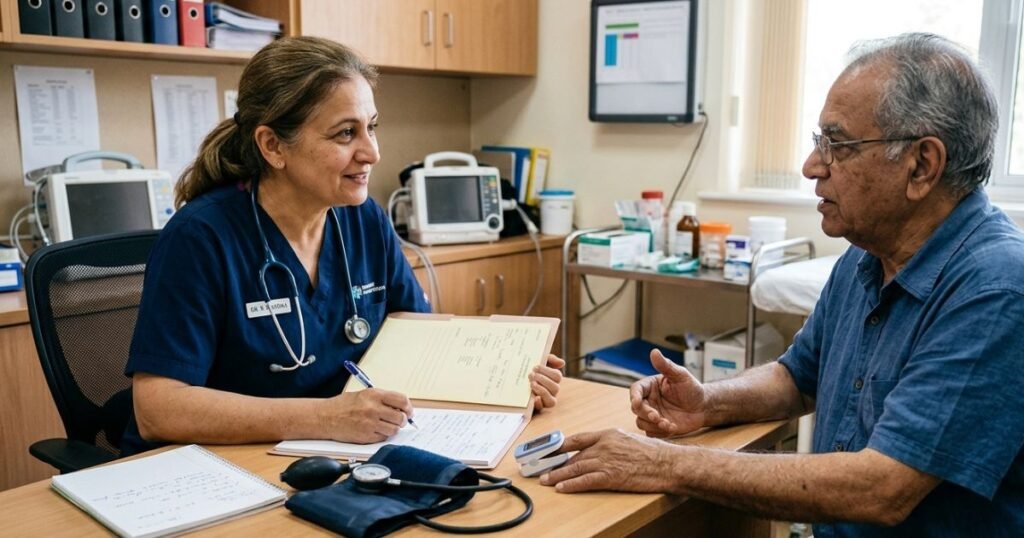
Solving a medical mystery takes time, patience, and excellent tools. Here is exactly how they figure out what is wrong with you.
The Diagnostic Process
First, they ask you a million questions. They want to know where you ate last week. They want to know if you walked barefoot in a forest.
Next comes the physical exam. They look for tiny clues on your skin, in your eyes, and around your lymph nodes.
Then, they use advanced lab tests. They grow your blood samples in a dish to see what bacteria pop up. They use DNA testing to identify rare viruses in just hours.
Treatment Approaches
Once they catch the culprit, the fight begins.
They choose the exact medication needed to destroy the germ. Sometimes, this means you take a pill for a few days. Other times, you need medicine delivered straight into your veins through an IV.
If your immune system is weak, they might give you special treatments to boost your natural defenses. They monitor you closely to ensure the germ never returns.
Subspecialties in Infectious Disease Medicine
The world of germs is too vast for one person to know everything about. Many experts focus their entire careers on one specific area.
Read More: White Matter Disease Symptoms
Here are the most common subspecialties:
| HIV Medicine | Managing and treating HIV/AIDS | Opportunistic infections, long-term viral suppression |
| Travel Medicine | Preventing diseases before trips | Malaria, dengue fever, yellow fever, typhoid |
| Transplant Care | Protecting organ recipients | Fungal infections, cytomegalovirus (CMV) |
| Orthopedic Infections | Fixing bone and joint infections | Infected knee replacements, severe spinal infections |
Expert Insight: A Day in the Life
To really understand this job, you have to look at the daily grind. We spoke with leading medical experts to see what happens behind closed doors.
A typical morning starts in the hospital. The doctor reviews charts for patients in the intensive care unit.
One patient might have a severe blood infection from a dirty scrape. Another might be fighting a rare fungus after a kidney transplant.
The doctor rounds the floors, checking wounds and adjusting IV medications. By the afternoon, they head to their private clinic.
Here, they help a healthy couple get vaccines for a safari in Africa. Right after, they sit down with an HIV patient to check their immune levels.
It is a mix of high-stakes emergency care and long-term relationship building. Every single day brings a brand new puzzle to solve.
The Future of Infectious Disease Medicine
Infectious disease medicine is rapidly evolving as new pathogens emerge and global travel increases the spread of infections. Advances in technology, research, and global collaboration are transforming how doctors diagnose, treat, and prevent infectious diseases. The future of this field focuses on faster detection, better treatment options, and stronger prevention strategies to protect public health worldwide.
Advanced Diagnostics and Early Detection
New diagnostic tools like rapid PCR testing, AI-powered analysis, and genomic sequencing are helping doctors identify infections much earlier than before. Early detection allows for quicker treatment, reducing complications and limiting the spread of diseases in communities and hospitals.
Read More: What Disease Does Sam Elliott Have?
Vaccines, Research, and Global Preparedness
The future of infectious disease medicine also depends heavily on vaccine development and global preparedness systems. Researchers are working on universal vaccines and improved treatments for viral outbreaks. International cooperation between health organizations is essential to respond quickly to future pandemics and emerging health threats.
Conclusion
Infectious disease doctors play a vital role in protecting public health and managing serious infections. Their expertise helps control disease spread, improve patient recovery, and support global health safety through research and prevention.
FAQs
What does an infectious disease doctor treat?
They treat illnesses caused by tiny organisms, such as bacteria, viruses, fungi, and parasites. This includes common issues like severe pneumonia, as well as complex diseases like HIV, tuberculosis, and malaria.
How do they diagnose infections?
They act like detectives by reviewing your complete medical and travel history. They also rely on advanced lab tests, blood cultures, and tissue samples to identify the exact germ causing your sickness.
What is the difference between an infectious disease doctor and a general practitioner?
A general practitioner handles everyday health needs, routine checkups, and common colds. An infectious disease doctor steps in when an infection becomes too rare, too stubborn, or too dangerous for normal treatments.
How do I prepare for an appointment?
Bring your complete medical records, a list of all your current medications, and any recent lab results. You should also write down your exact symptoms, your recent travel history.
Can they treat antibiotic-resistant infections?
Yes, this is one of their main areas of expertise. They know how to safely use rare, highly restricted medications to defeat superbugs that ignore standard antibiotics.
